
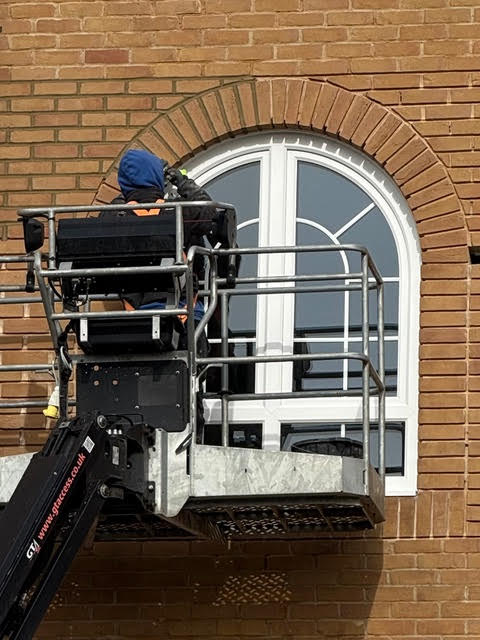
Brick buildings are designed to last for decades, often centuries. However, the mortar that holds the bricks together naturally deteriorates over time.
Repointing is the process of removing damaged mortar from brick joints and replacing it with fresh mortar.
Although repointing is sometimes viewed as cosmetic maintenance, it actually plays a vital role in protecting the structure of a building.
What mortar does in brickwork
Mortar acts as the bonding material that holds bricks together while also creating a seal against moisture. Over time, exposure to weather gradually breaks down mortar joints. When this happens, water can begin to enter the structure of the building. If the problem is ignored, this can eventually lead to damp, heat loss and even structural instability. If you are concerned about ageing mortar, learn more about our repointing services.Why repointing becomes necessary
Mortar is intentionally softer than the bricks around it. This allows it to absorb movement and weathering. As a result, mortar naturally wears away first. Repointing restores the protective barrier of the wall and helps ensure the brickwork remains structurally sound.If you are unsure whether your brickwork is deteriorating, you may find it helpful to read our guide on early warning signs your property needs repointing in Brighton, which explains what to look for in more detail.
Signs your property may need repointing
Common warning signs include:- Mortar that is crumbling or falling out
- Gaps appearing between bricks
- Cracks along mortar lines
- Damp patches appearing inside external walls
- Loose or unstable bricks
Why coastal buildings deteriorate faster
Properties in Brighton and other coastal areas experience more aggressive weather conditions. Salt carried in sea air can gradually weaken mortar, particularly on exposed elevations and chimney stacks. This means buildings close to the coast often require repointing sooner than inland properties.The repointing process
Professional repointing involves several stages.Removing the old mortar
First, the old mortar is carefully removed to a controlled depth.Preparing the joints
Next, the joints are cleaned and prepared so the new mortar bonds properly.Applying the new mortar
Fresh mortar is then applied and finished to match the existing brickwork as closely as possible. When carried out correctly, repointing protects the building while preserving its appearance.The benefits of repointing
Repointing offers several long-term benefits:- Prevents water penetration
- Improves structural stability
- Extends the lifespan of brickwork
- Improves the appearance of older buildings